Serving Albany, OR and surrounding areas. (458) 233-8057
Your home deserves a foundation designed for Albany's clay soils and wet winters. We handle excavation, waterproofing, permits, and inspections so your foundation lasts decades.
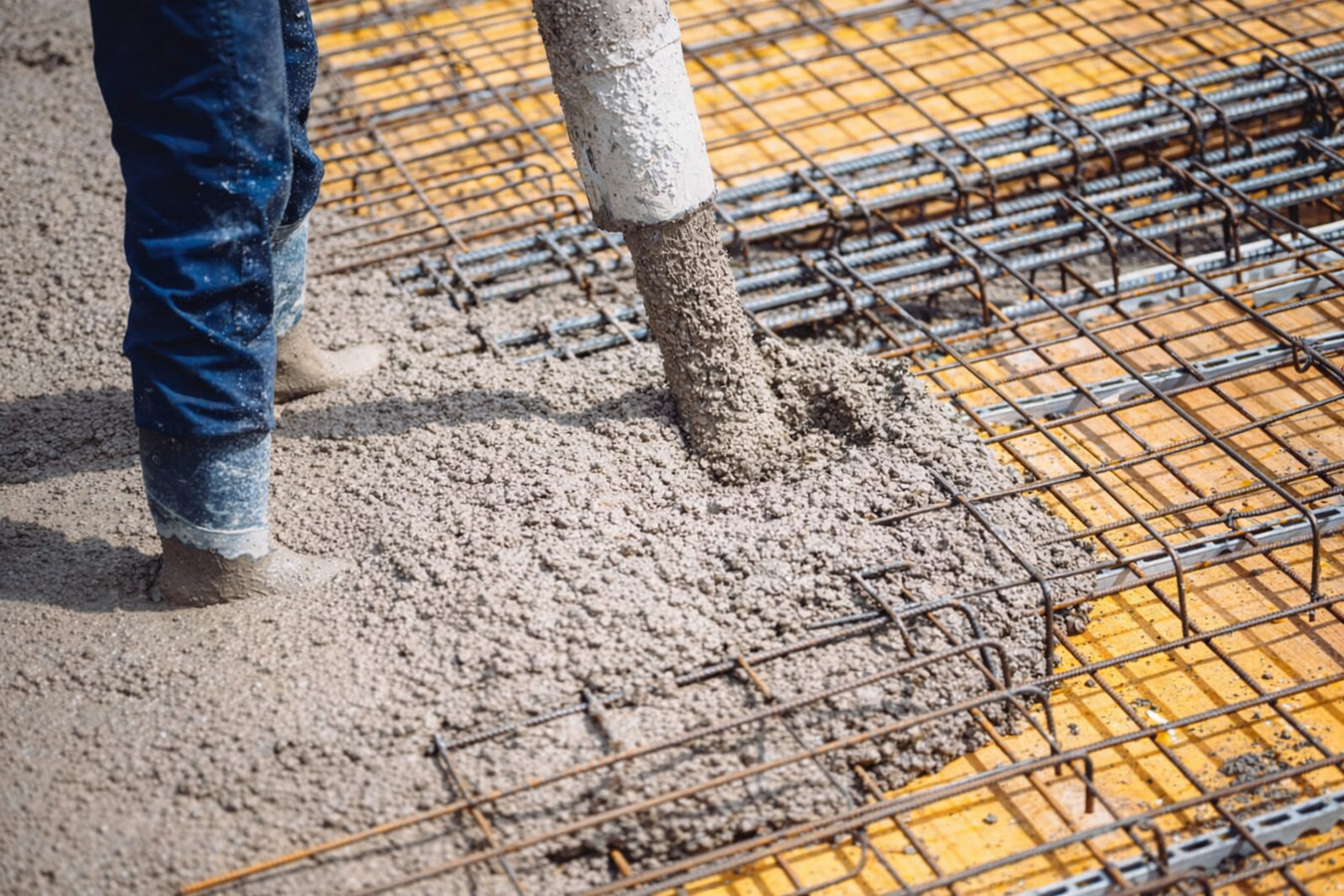
Foundation installation in Albany OR creates the structural platform your home sits on, including excavation, soil compaction, forming, steel reinforcement, concrete pouring, waterproofing, and backfill. Most residential foundation projects take two to four weeks from excavation to cleanup, though the full timeline from permit application to ready-to-build-on concrete runs longer once you account for the city's plan review and the 28-day curing period that lets the concrete reach full strength.
If you are building a new home or replacing a failing foundation on an older Albany house, the work involves heavy equipment, multiple inspections, and careful coordination with the City of Albany's building department. The type of foundation, whether slab, crawl space, or basement, depends on your lot conditions, soil type, and what you are building. Many homeowners also need concrete parking lot building or other site work to prepare access before foundation excavation begins.
Albany's Willamette Valley clay soils expand when wet and contract when dry, which is why the compaction standards, footing depth, and drainage design your contractor uses matter more here than in sandy or rocky regions. A foundation that ignores these local conditions will show the cost within a few years as cracks, settling, and moisture intrusion.
If you notice cracks that start at the corners of door frames or window openings and run diagonally toward the ceiling or floor, your foundation may be moving unevenly. This kind of cracking is different from the small hairline cracks that appear in drywall over time. Diagonal cracks that grow wider or reappear after patching are a sign the structure beneath is shifting. In Albany, where clay soils expand and contract with the wet and dry seasons, this pattern is worth taking seriously.
When a foundation settles or shifts, the door and window frames above it go slightly out of square. You will notice this as doors that drag on the floor, latches that no longer line up, or windows that require extra force to open or close. This is one of the most common early signs Albany homeowners notice, especially in older homes near downtown where foundations may be decades old.
If you go into your crawl space or basement after a heavy rain and find standing water, damp soil, or water stains on the walls, your foundation is not keeping moisture out the way it should. Albany's long rainy season means this problem tends to show up between November and March. Left unaddressed, persistent moisture leads to mold, wood rot, and structural damage that becomes far more expensive to fix.
Walk slowly across your floors and pay attention to any areas that feel spongy underfoot or that slope in one direction. Uneven floors can mean the foundation has settled in one area more than another, a condition that tends to worsen over time if the underlying cause is not addressed. In homes built on Albany's clay-heavy soils, this kind of differential settling is not uncommon in structures that are 40 or more years old.
We install new foundations for residential and commercial projects across Albany and the Willamette Valley, including full excavation, forming, reinforcement placement, pouring, waterproofing, and backfill. Every project starts with a site assessment to understand your soil conditions, drainage patterns, and lot constraints, because no two Albany lots behave the same way. From there, we handle the permit application through the City of Albany, coordinate inspections at the required stages, and manage the full sequence of work from first shovel to final backfill. For homeowners replacing an existing foundation on an older home, we also provide demolition and removal services as part of the project scope, ensuring the new foundation ties into your existing structure correctly with proper seismic connections.
If your project involves significant grading or site preparation, we coordinate our foundation work with slab foundation building services for projects where a slab is the right choice based on your lot and building type. The waterproofing and drainage systems we install are designed specifically for Albany's wet climate, not copied from a generic playbook that works in drier parts of the state.
Complete foundation installation for new residential construction, designed and built to Oregon's building code and Albany's seismic zone requirements.
Raised foundations with proper ventilation and moisture barriers, ideal for Albany lots where drainage and future plumbing access are priorities.
Full tear-out and replacement for older Albany homes where the existing foundation has failed or no longer meets structural or seismic standards.
Foundation work for light commercial buildings, accessory structures, and multi-family projects requiring engineered designs and higher load capacity.
Albany's 44 inches of annual rainfall, concentrated heavily between October and April, creates conditions where waterproofing and drainage design are not optional extras. They are baseline requirements for any foundation that will keep moisture out over time. A properly installed foundation in Albany includes exterior waterproofing membranes applied before backfill, perimeter drains that direct groundwater away from the structure, and grading that keeps surface water moving downhill rather than pooling against the foundation walls. Crawl space foundations require additional moisture control through vapor barriers and ventilation systems sized for Albany's humid climate.
The Willamette Valley clay soils that dominate Linn County expand when they absorb water and contract during dry summers, creating seasonal movement that puts stress on any foundation not designed with that reality in mind. The footing depth, width, and reinforcement we use for Albany foundations account for this expansive soil behavior, as does the compaction process we follow before any concrete is poured. Homeowners in Corvallis and Salem face similar soil challenges, and the foundation engineering that works in Albany works in those areas for the same reasons.
Oregon's seismic zone requirements also shape how we build every foundation in Albany. The Cascadia Subduction Zone offshore creates earthquake risk that the state's building code accounts for through specific anchor bolt placement, hold-down connections, and reinforcement standards that tie your foundation to the framing above it. These connections resist lateral movement during ground shaking, not just vertical loads. The City of Albany's inspection process verifies this work at key stages, which is your assurance that the foundation was built to protect your family if the ground moves.
We visit your property to assess soil conditions, drainage, lot access, and project scope. Most estimates are ready within a few days to a week, and we will explain what is included, what the timeline looks like, and how the permit process works with the City of Albany.
We submit the permit application and foundation plans to the city. Plan review typically takes one to three weeks. You will sign as the property owner, but we handle the paperwork and coordination. We will update you within one business day of any permit changes or approvals.
We excavate the foundation footprint, compact the soil, and set up forms and steel reinforcement. The city inspector reviews the setup before any concrete is ordered. This is the checkpoint that protects you most, because it catches problems before they are buried underground.
The concrete is poured, allowed to cure, and then waterproofed before we backfill around the foundation. The final inspection confirms the work meets Albany's code. We clean up the site, grade for drainage, and provide you with the signed-off permit documentation.
We will assess your site, explain the process, and give you a written estimate. No pressure, no obligation, just straight answers.
Call (458) 233-8057We have installed more than 150 residential and commercial foundations in Albany and Linn County over the past decade. That local volume means we know which soil conditions require extra footing width, how Albany's inspectors want to see anchor bolt placement, and which waterproofing systems hold up best in the Willamette Valley's wet climate. Experience in this specific area matters more than a generic contractor license.
We have never had a foundation fail a City of Albany inspection, because we follow Oregon's building code requirements exactly as written. The steel reinforcement, anchor bolt placement, and footing dimensions we use are designed to meet or exceed what the inspector is checking for. That means you get a signed-off permit at the end, no delays, no callbacks, and no uncertainty about whether the work was done right. Check requirements at the City of Albany Community Development page.
Albany's clay-heavy soils shift with the seasons, and we design every foundation to handle that movement. The compaction standards, footing depth, and drainage grading we use are matched to Willamette Valley soil behavior, not copied from a job in a different part of the state. That site-specific approach is what keeps foundations stable and dry through Albany's wet winters and dry summers. Learn more about Oregon soil requirements at Oregon Building Codes Division.
We carry an active Oregon Construction Contractors Board license, which you can verify in seconds on the CCB website. That license means we are bonded and insured, and you have real legal recourse if something goes wrong. It also means we are accountable to a state oversight body that takes complaints seriously. You can check any contractor's status at Oregon CCB before signing anything.
We built our reputation one Albany foundation at a time, and we protect it by doing the soil prep, waterproofing, and reinforcement work that most homeowners never see but that determines whether a foundation lasts 15 years or 50. That is the difference between a contractor who understands local conditions and one who treats every job the same.
Dry-season foundation slots fill up fast in the Willamette Valley. Call today to lock in your timeline before the fall rains arrive.