Serving Albany, OR and surrounding areas. (458) 233-8057
When you need to cut through a driveway, floor, or patio for drainage, utility access, or to remove damaged sections, diamond blade cutting gives you clean edges that are easy to patch cleanly afterward.
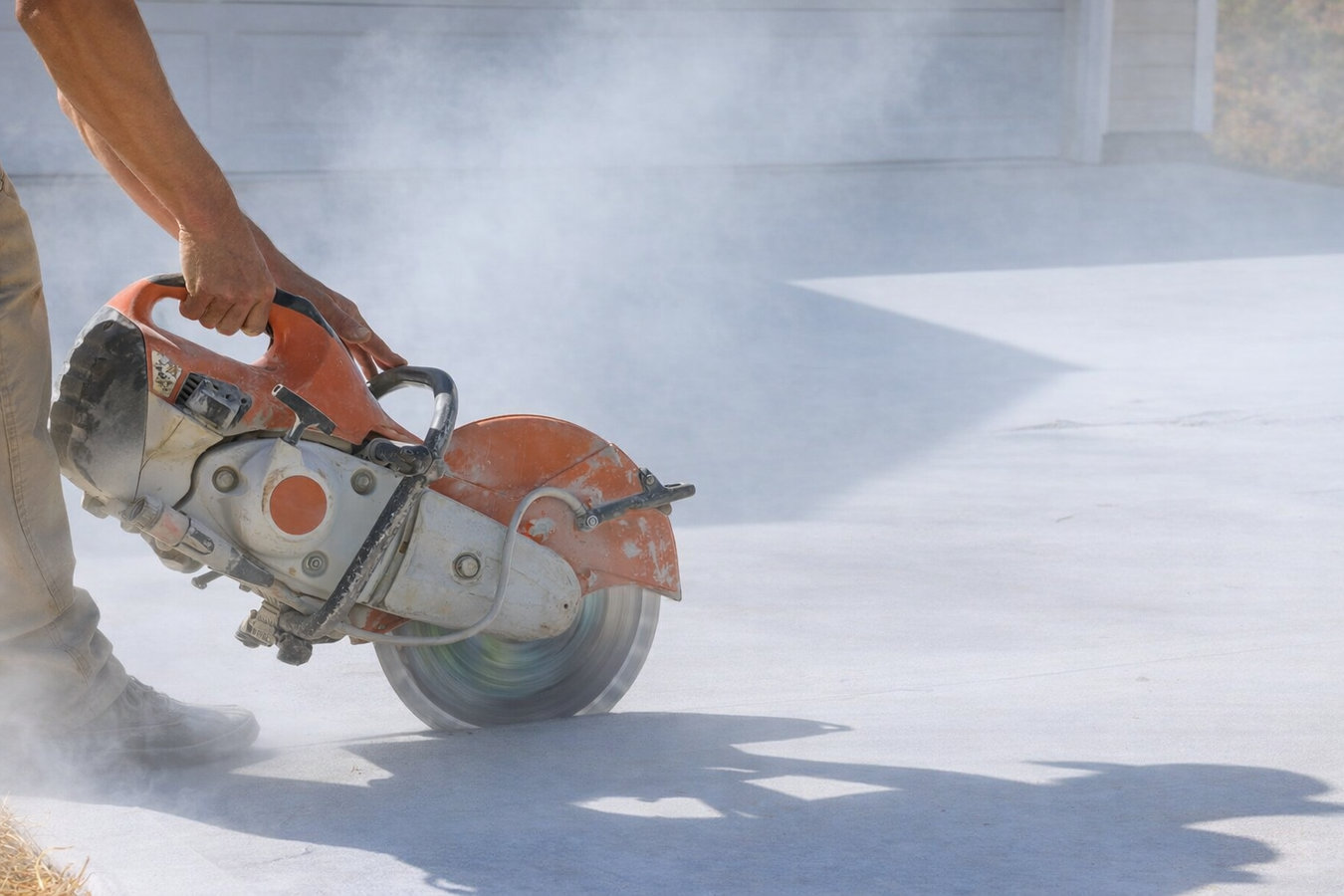
Concrete cutting in Albany uses specialized diamond-tipped saws to slice through hardened concrete cleanly and precisely - most residential jobs take a few hours to a full day, depending on the scope of the work.
You call a concrete cutting contractor when you need to create an opening for a drain, run a new utility line under a slab, remove a damaged section of driveway, or cut expansion joints to prevent random cracking. Rather than breaking out a large section with a jackhammer, a precise cut creates a narrow trench that's much easier to patch cleanly afterward.
Albany's clay-heavy Willamette Valley soils cause concrete to shift and crack over time, which is why homeowners often pair cutting with concrete driveway building repairs or concrete parking lot building projects to address the underlying movement.
If you've patched the same crack two or three times and it keeps reopening, the concrete is moving - likely because of Albany's clay-heavy soil expanding and contracting with the rain cycle. Cutting a proper expansion joint into the slab gives the concrete a place to flex without cracking randomly.
If you notice standing water collecting against your house after a heavy rain - which is common in Albany from October through April - you may need a drainage trench cut into your driveway or patio to redirect that water away from the foundation before it causes bigger problems.
If a plumber, electrician, or HVAC contractor has told you they need to run a line under your concrete floor or driveway, concrete cutting is how they get there without destroying the whole slab. A precise cut creates a narrow trench that's much easier to patch cleanly afterward.
Sometimes a plumber, foundation specialist, or drainage contractor tells you they need access under the slab before they can do their work. This is one of the most common reasons homeowners in Albany call a concrete cutting contractor - the cutting is the logical first step before the other work can begin.
We use diamond-tipped saw blades designed to cut through hardened concrete without shattering it. Most professional concrete cutting uses water to cool the blade and keep dust from spreading, which means there will be some slurry - a watery, gray paste - on the work surface when the job is done. We contain and clean up that slurry before we leave, so the area is ready for the next step.
Oregon law requires notifying the Oregon Utility Notification Center at least two business days before any cutting near buried lines. We handle this automatically as part of every job. We also work with related services like concrete driveway building and concrete parking lot building when cutting is part of a larger repair or replacement project.
Redirects water away from foundations and prevents pooling in driveways and patios.
Clean, narrow cuts for running plumbing, electrical, or HVAC lines under concrete slabs.
Prevents random cracking by giving concrete a controlled place to flex with soil movement.
Removes cracked, settled, or uneven sections cleanly so new concrete can be poured to match.
Albany sits in the Willamette Valley and receives around 45 inches of rain per year, with the heaviest rainfall running from November through March. Wet conditions make outdoor concrete cutting messier and can interfere with cleanup of the slurry that cutting produces. If you're planning a driveway cut or exterior drainage project, scheduling it between late spring and early fall gives you the best chance of dry conditions and a cleaner result.
Albany has a significant number of homes built in the 1940s through 1970s, and older slabs often hide surprises: utility lines that weren't mapped, rebar placed inconsistently, or concrete that was mixed to different thicknesses in different spots. A contractor experienced with older Albany homes will probe and assess before cutting rather than assuming the slab is uniform. We also serve homeowners in Lebanon and Sweet Home, where similar housing stock and soil conditions create the same concrete challenges.
We visit the site to look at the thickness of the slab, check for any visible rebar or utility access points, and assess how easy it is to get equipment into the space. This visit usually takes 20 to 30 minutes. You'll receive a written estimate before any work is scheduled.
If your project requires a permit from the City of Albany, we handle pulling it. Oregon law also requires notifying the utility notification service at least two business days before any cutting near buried lines. We do this automatically and confirm it before work begins. We reply to all inquiries within one business day.
The actual cutting is loud and produces a wet, gray slurry on the surface. We work methodically along the marked lines, pausing to clear debris as needed. Once the cuts are complete, we remove any loose concrete sections and clean up the slurry from the surrounding area.
We clearly explain what happens next - whether that's a plumber coming in to run a line, a patch being poured, or simply leaving the cut open for an inspection. If new concrete is being poured to patch the area, we tell you how long to stay off it. Before we leave, we walk the site with you and answer any questions.
Albany homeowners trust us because we handle utility notifications, pull required permits, and deliver clean cuts with proper dust control every time.
Call (458) 233-8057We notify the Oregon Utility Notification Center at least two business days before every job, as required by state law. Utility companies mark buried lines before we cut - so you don't end up with a damaged gas or water line that becomes your liability.
We use water suppression during cutting to keep silica dust from spreading, and we contain and clean up the slurry before we leave. You shouldn't have to hose down your driveway or patio after we finish - the area should be clean and ready for the next step.
We've cut through older Albany slabs built in the 1940s through 1970s, and we know those jobs often hide surprises: unmarked utility lines, inconsistent rebar placement, or concrete mixed to different thicknesses. We probe and assess before cutting rather than assuming the slab is uniform.
We hold an active Oregon Construction Contractors Board license, which means we meet the state's requirements for insurance and bonding. If something goes wrong, you have real recourse - not just a promise.
We combine proper utility notification, clean cuts, thorough cleanup, and full Oregon contractor licensing to deliver concrete cutting that's done safely and correctly. No shortcuts, no surprises.
Albany's wet season makes outdoor concrete work messier. Schedule your cutting project now while conditions are dry and cleanup is easier.