Serving Albany, OR and surrounding areas. (458) 233-8057
Building a deck, addition, or garage? Get footings dug to Albany's frost depth, inspected by the city, and poured for Willamette Valley soil - so your structure stays solid through every wet season.
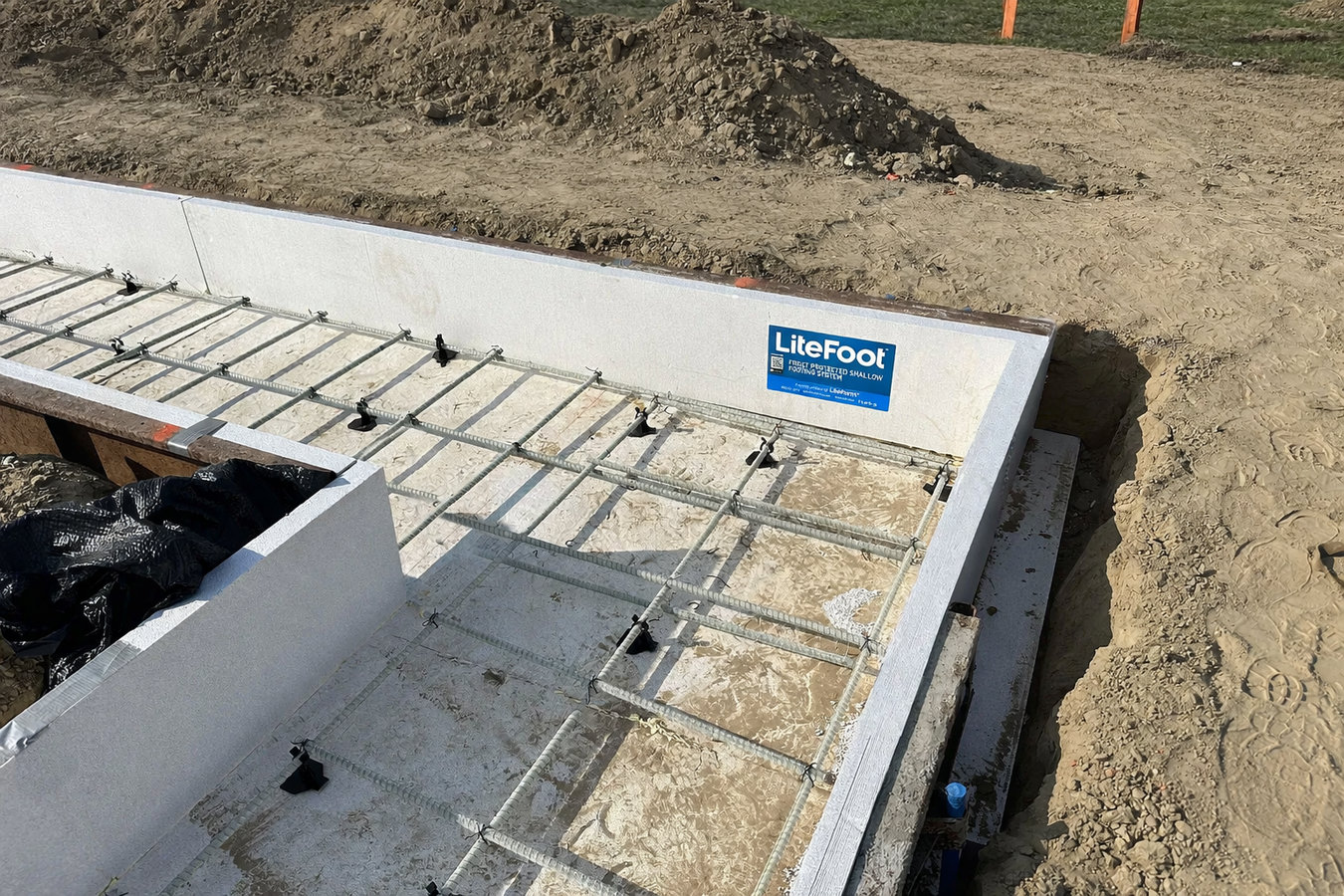
Concrete footings in Albany are the underground base that holds up a deck, addition, garage, or porch - they spread the weight of the structure across a wider area of soil so it does not sink or shift over time, and most residential footing projects take one to two days to dig and pour, with a week-long curing period before framing can begin.
If you are planning any structure that sits on the ground, or if your existing deck has started to lean or bounce, footings are the foundation of everything that comes after. In Albany, the City requires a building permit and inspection before the concrete is covered - this protects you by ensuring the work meets local depth and sizing requirements before it is buried forever. A footing that is too shallow, poured in wet ground, or rushed will crack and settle within a few years, causing the structure above it to shift.
Many Albany homeowners coordinate footing work with related projects like foundation raising to address settling issues in older homes, or follow up with foundation installation for new additions and garages.
If you are planning a deck, a detached garage, a room addition, or even a large shed, you almost certainly need footings before any framing begins. In Albany, the city's permit process will require it - and any reputable contractor will tell you the same. This is not optional - it is the foundation of everything that comes after.
If a deck that used to feel solid now has a noticeable sag, a bounce when you walk across it, or posts that look like they have shifted, the footings underneath may have settled or deteriorated. Albany's wet winters and silty soils can accelerate this process, especially on older decks that were built before current depth requirements.
When a footing settles unevenly, the structure above it shifts - and the first signs are usually doors that won't close right, windows that stick, or cracks appearing in drywall near corners. This is especially common in Albany's older neighborhoods, where homes built decades ago may have footings that weren't designed for today's soil movement standards.
If you can see the top of an existing footing or pier - under a deck, in a crawl space, or along a foundation wall - and it shows visible cracking, spalling, or crumbling edges, that is a sign the concrete has deteriorated. Albany's freeze-thaw cycles, even mild ones, and persistent moisture can break down older concrete over time.
We dig and pour concrete footings that meet Albany's building code requirements and are designed for Willamette Valley soil conditions. Every project starts with a site visit - we assess your soil, measure the area, and confirm the depth and size requirements with the City of Albany before we quote. From there, we handle excavation to the proper frost depth, set and level forms, and coordinate the required city inspection before the pour. Once the inspection passes, we pour the concrete, smooth the top, and give it time to cure properly before you build on it. We pull all required permits and manage the inspection schedule so you do not have to track down city offices or figure out who calls whom.
We also provide related services including foundation raising to address settling or sinking footings in older structures, and foundation installation for new additions and garages. Many Albany homeowners coordinate footing work with other foundation projects to address structural issues comprehensively.
Properly dug and inspected footings for new or replacement deck projects.
Foundation support for room additions, sunrooms, and home expansions.
Heavy-duty footings sized for detached garages and covered parking structures.
Removing and replacing failed or undersized footings from older structures.
Albany sits in the Willamette Valley, where the ground does not freeze as deeply as it does in colder parts of Oregon - but it does freeze, and footings must be dug below that depth to stay stable. For most residential projects here, that means at least 12 inches below grade, though city inspectors sometimes require more depending on the structure. The valley's soils - particularly the silty clay loam common around Albany - also hold moisture and shift as they wet and dry through the seasons. Soft or saturated soil requires wider footings, deeper digging, or additional base preparation before the concrete is poured. A contractor who skips a soil assessment or digs to the wrong depth is taking a shortcut that will cost you later.
We have built footings for decks, additions, and garages across Linn County, including in Lebanon and Sweet Home, where similar soil and weather conditions require the same careful approach. Once a footing is poured and buried, it is nearly impossible to fix without tearing out what is built on top - getting it right the first time is far cheaper than repairing a settling deck five years later.
We ask about what you are building, where on your property, and whether you have pulled a permit. Then we visit to assess soil conditions, measure, and check equipment access. You get a written estimate within one business day that breaks down labor and materials - no verbal quotes only.
We handle the permit with the City of Albany's Community Development department on your behalf. Processing usually takes one to two weeks depending on project size and permit volume. We confirm who is responsible for the permit before work starts - it should always be done before digging.
The crew digs to the required depth and sets up forms. A city inspector visits to confirm depth and dimensions before concrete is poured - this protects you by verifying the work before it is buried. Once inspection passes, we pour, smooth, and let it cure. Digging and forming usually completes in a single day.
Concrete reaches working strength within about a week under normal conditions, but continues to harden for up to a month. We tell you when it is safe to begin framing or building on top. During this period, just avoid disturbing the area and keep heavy equipment off the fresh concrete.
Get a written estimate from a licensed Albany contractor who handles permits and inspections. No pressure.
Call (458) 233-8057We coordinate the required city inspection before the concrete pour - so there is an independent set of eyes on the work before it is buried forever. This protects you from shortcuts and ensures your deck or addition sits on a base that was checked and approved, not just promised. Learn more at the City of Albany Community Development website.
The Willamette Valley's mild climate means the ground does not freeze deeply - but it does freeze, and footings must go below that depth. We dig to at least 12 inches below grade for most residential projects, and deeper when the city inspector requires it. This is the standard for Albany, and we do not cut corners on it.
The silty clay loam common around Albany holds moisture and shifts as it wets and dries through the seasons. We assess your soil before quoting and design footings to match your site conditions - wider where the ground is soft, deeper where drainage is poor. This is the step that determines whether your structure stays solid after the first few winters.
Oregon requires all residential contractors to be licensed and bonded through the Construction Contractors Board. We maintain an active CCB license, which means you have legal protections and a path to recourse if something goes wrong. Verify any contractor at the Oregon CCB website before signing a contract.
We have completed hundreds of footing projects across Albany and Linn County. Our work is permitted, inspected, and built to support structures through decades of wet winters and soil movement.
Albany's building season fills up fast - lock in your footing project before the summer rush.