Serving Albany, OR and surrounding areas. (458) 233-8057
Albany Concrete Company is a full-service concrete contractor in Albany, OR, specializing in driveways, patios, and foundation work. We have worked on over 400 jobs across Linn County in the past five years, and we know how Albany's clay soils and wet winters affect concrete over time.
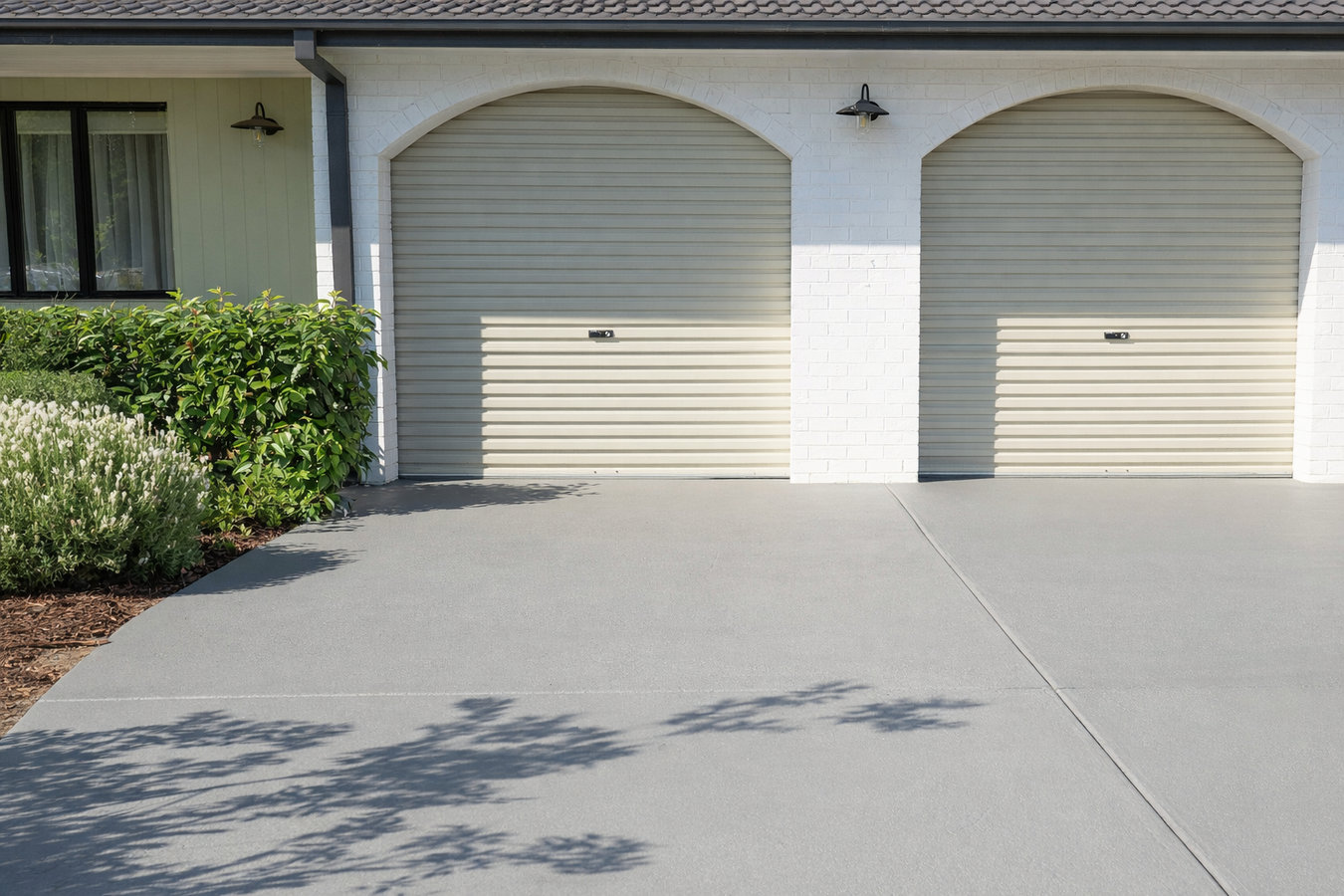
Many Albany driveways are 40 to 60 years old and showing cracks from soil movement and freeze-thaw cycles. We build driveways with proper base prep for Willamette Valley clay soils, so they stay level for decades.
Albany's rainy season makes outdoor space unusable for months without a firm, sloped surface. We pour patios that drain water away from your home, so you have a dry place to step outside even in November.
Foundations in Albany's clay soils need careful base work and proper drainage to avoid settling. We build slab foundations that stay level through wet winters and dry summers.
Stamped concrete gives you the look of stone or brick without the cost or maintenance. We finish and seal every project to hold up through Albany's wet winters.
Older homes in Albany's historic districts often have deteriorating front or back steps. We pour replacement steps that are safe, level, and built to last through decades of use.
Settling foundations are common in older Albany homes, especially near the Willamette River where soils stay saturated. We assess foundation issues and recommend repair or raising based on what your home actually needs.
Albany sits in the heart of the Willamette Valley, and the clay-heavy soils here expand when wet and shrink when dry. That movement is hard on concrete slabs, and it is one of the main reasons driveways and patios crack prematurely if the base was not prepared correctly. The city also gets around 44 inches of rain per year, with most of it falling between October and April. That long wet season saturates the ground, puts pressure on foundations, and accelerates wear on any exterior concrete that was not finished or sealed properly.
Albany has a large stock of older homes, especially in the Monteith and Hackleman historic districts, where many properties were built in the late 1800s and early 1900s. These homes often have original concrete that has been in place for decades, and replacing it requires understanding how older foundations, drainage patterns, and lot grades affect the work. Newer subdivisions on the east and south sides of town have their own challenges, including limited truck access and compacted clay soils that need extra base prep. A contractor who knows Albany can assess these conditions before quoting, so there are no surprises once work begins.
We have been pulling permits through the City of Albany Public Works department for driveway approaches and other concrete work since we started serving this area. That process is second nature to our crew, and it keeps your project on schedule without surprises from the city after the concrete is poured.
Albany is not a huge city, but it spreads out, and we have worked on homes in all corners of town. We know the older neighborhoods near downtown where homes were built in the 1940s through 1970s, and we regularly work on properties near Bowman Park along the Willamette River. We also serve the newer subdivisions on the south and east sides of town, where lot sizes are tighter and truck access can be tricky. Whether your home is a few blocks from the Monteith House or out near the edge of Albany's growth, we know the area and we are ready to help.
We also work throughout the surrounding region. If you are in Corvallis or Lebanon, we serve those areas as well and understand the specific conditions that affect concrete work in each city.
We visit your property to measure the area, check site access, and look at soil and drainage conditions. You receive a written estimate within one business day that includes all prep, materials, and cleanup.
If your project requires a permit from the City of Albany, we handle that before the crew arrives. Once permits are approved and the weather forecast looks clear, we confirm your start date. This step addresses cost anxiety upfront, so you know the timeline before work begins.
We remove old concrete if needed, excavate to the proper depth, and compact a gravel base layer. This is the most important step for long-term durability. It usually takes one full day, and the site is loud but manageable.
The crew pours, levels, and finishes the concrete in one day. We cut control joints and apply the final texture before leaving. The surface is off-limits for at least 24 to 48 hours, and we let you know exactly when it is safe to walk on or drive over.
We serve all of Albany, from the historic Monteith district to the newer neighborhoods on the east and south sides. Call us today for a free estimate.
Call (458) 233-8057Albany is a city of about 57,000 people in the middle of Oregon's Willamette Valley, about 70 miles south of Portland and 25 miles north of Eugene. The city is known across Oregon for having more than 700 historic buildings spread across four National Register districts, including the Monteith and Hackleman neighborhoods, where many homes date back to the 1880s and 1890s. These older areas sit close to the Willamette River, and the city has grown outward from there, with postwar ranch homes from the 1950s through 1980s in the central neighborhoods and newer subdivisions on the east and south sides of town.
Albany is the county seat of Linn County and serves as a regional hub for surrounding rural areas. The economy leans heavily on manufacturing, including rare metals processing and other industrial work, and Samaritan Health Services is a major employer. This is not a college town with a transient population. Many Albany residents are long-term homeowners who invest in maintaining their properties, and the housing stock reflects that mix of historic homes, mid-century construction, and newer development. We also serve nearby areas, including Corvallis and Salem, and understand how each city's building stock and conditions affect concrete work.
Call us today or fill out our contact form. We serve all of Albany and the surrounding Willamette Valley.